A Calm Transition to Shorter Days: Practical Home Adjustments for Autumn Mornings
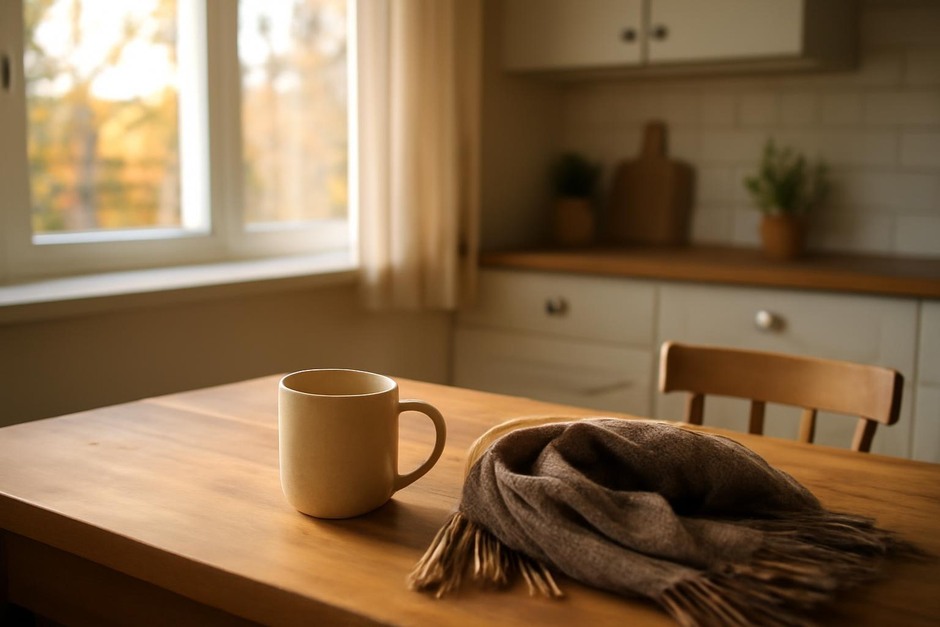
There’s a quiet change in the air as daylight retreats earlier: footwear is damp, the air feels cooler through the slightly open window, and the house seems to wake more slowly. Small, considered adjustments around the home can make that shift feel manageable rather than disruptive. Below are four approachable themes—lighting and circadian-friendly choices, gentle morning routines, kitchen setups for brisk mornings, and entryway organization—each grounded in everyday experience and simple experiments you can try this week.
1. Layering light for easier mornings
When natural light is limited, the right combination of light sources reduces the jolting contrast between dark rooms and a bright phone screen. Instead of relying on a single overhead fixture, aim for layers:
- Ambient light: Use warm, diffuse overhead or floor lamps with dimmers when possible; dimmer switches let you increase illumination gradually.
- Task light: A good bedside or kitchen counter lamp with a focused beam helps with reading, preparing breakfast, or checking the calendar without flooding the whole room.
- Accent light: Small plug-in wall sconces or LED strips on shelves can add a soft glow that reduces harsh shadows.
Try a small experiment over three mornings: start with just an ambient lamp, then add a task lamp the next day, and finally include a low-level accent; note which combination feels least abrupt and most pleasant for those first 20–30 minutes after waking.
2. Easing into routine: micro-rituals that ground the day
Shorter days often make it tempting to linger in bed. A few brief, consistent micro-rituals can anchor mornings without imposing a long checklist.
- Three-minute deliberate start: Upon waking, sit briefly by a window or at the kitchen table with a warm drink to let circulation and attention rise naturally.
- Visibility cues: Place one visible sign of the day’s first task—an open book, a coat draped over a chair, or a breakfast bowl on the counter—to encourage a single, simple action.
- Adjustable timing: If mornings feel rushed, try a two-day on/two-day off schedule for longer rituals (like a short walk), so you can keep the habit without daily pressure.
These micro-rituals are small experiments in habit change: keep what helps and discard the rest.
3. Kitchen and breakfast: quick setups for cooler mornings
Preparing a cozy, low-fuss morning in the kitchen reduces friction on chilly days. A few tweaks can make breakfast feel warm and accessible.
- Create a ‘lean’ breakfast station: Store mugs, tea, instant oats, and a small jar of mix-ins (nuts, dried fruit) together for one-handed access.
- Use warm-ready items: Keep an electric kettle or good-quality thermos handy so hot water is quick. Pre-portion oatmeal or overnight jars in the evening for zero-morning prep.
- Batch small comforts: Bake a tray of muffins or sheet pan frittata on weekends and refrigerate portions to reheat quickly through the week.
Notice how reducing decision points—having a default breakfast choice and tools within reach—affects your sense of calm during the first hour of the day.
4. Entryway and outerwear: reduce morning friction
Shorter, cooler mornings often mean fumbling for scarves, boots, and umbrellas. A compact, organized entryway can make getting out the door smoother.
- Zoning: Dedicate a low shelf for shoes, hooks for daily coats, and a small basket for seasonal accessories like gloves, hats, and umbrellas.
- Visibility and readiness: Keep one ready outfit or bag by the door on especially dark mornings to avoid last-minute searching.
- Quick-dry solutions: Place a small mat and breathable storage for damp footwear so they don’t accumulate and create clutter.
Try a single change—like adding one extra hook or a small tray for keys—and observe if it cuts time and decision fatigue during the morning rush.
Conclusion
Shorter mornings are an annual invitation to reassess small aspects of how your home supports the day. By layering light thoughtfully, creating brief anchoring rituals, setting up a low-effort breakfast area, and streamlining the entryway, you can reduce friction and cultivate a calmer start. These are not wholesale renovations but modest experiments: try one change at a time, observe how it alters the feel of your morning, and keep the adjustments that fit your household rhythm.